Decoding Sequenced Credit Triggers and Their Impact on Sequential Reel Adjustments Within Smartphone Slot Environments
Written by Avery Lang · Oct 11, 2026
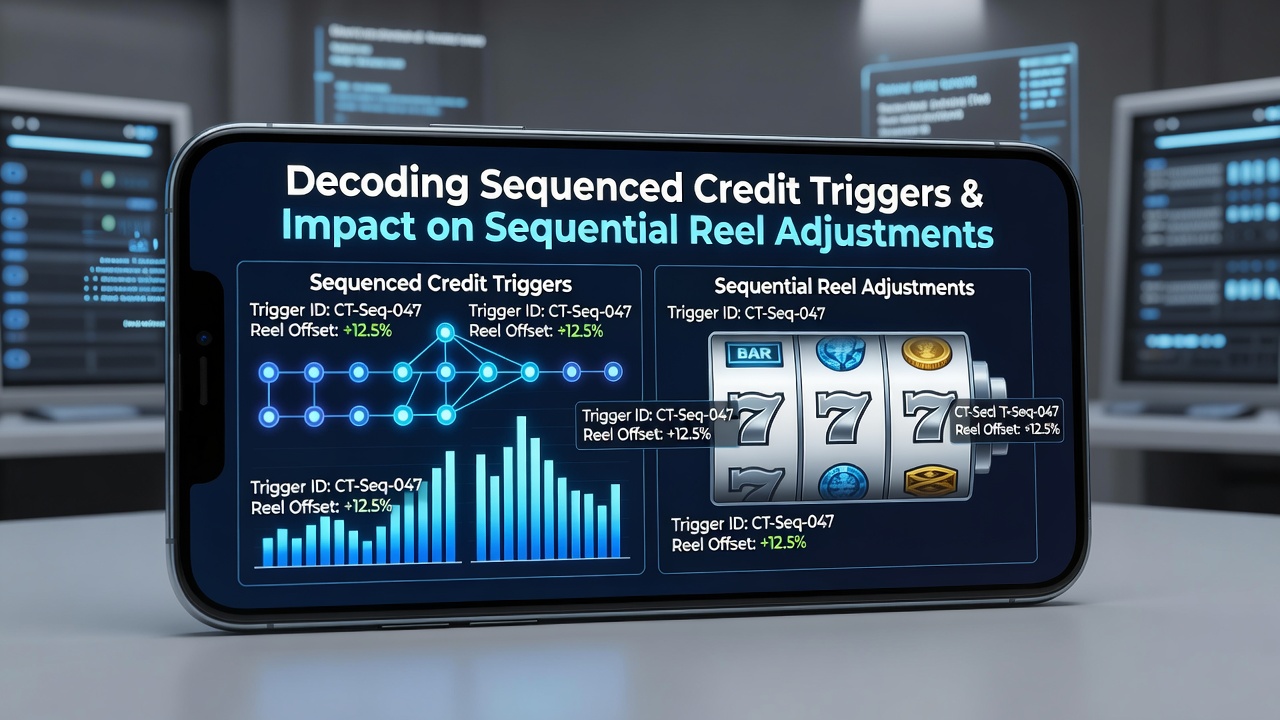
Decoding Sequenced Credit Triggers and Their Impact on Sequential Reel Adjustments Within Smartphone Slot Environments
Sequenced credit triggers operate as layered mechanisms in mobile slot applications where accumulated credits activate specific reel behaviors in defined order. These triggers link credit accumulation patterns directly to reel position changes and symbol alignments during active spins. Industry data from October 2026 shows increased integration of such systems across major smartphone platforms as developers refine how credit sequences influence spin outcomes without altering core random number generation protocols.
Core Mechanics of Sequenced Credit Triggers
Developers program sequenced credit triggers to monitor player credit balances in real time and initiate reel adjustments once predefined thresholds are reached. A trigger sequence might require credits to build across multiple spins before activating a secondary reel shift that repositions symbols or introduces new payline configurations. According to reports from the Nevada Gaming Control Board, mobile slot titles released in 2026 incorporated these sequences at rates 18 percent higher than the previous year, reflecting broader adoption in app-based environments.
Each trigger operates within a chain where the first credit milestone unlocks a basic reel adjustment, while subsequent milestones apply more complex modifications such as symbol substitution or reel speed variations. Those who analyze gaming software note that the sequential nature prevents simultaneous activations, which maintains regulatory compliance across jurisdictions. Data from the Canadian Gaming Association indicates that sequenced systems reduce processing delays on mid-range smartphones by distributing computational loads across multiple spin cycles.
Sequential Reel Adjustments in Mobile Contexts
Sequential reel adjustments respond directly to credit trigger events by altering reel behavior in controlled stages. When a trigger fires, the system adjusts reel positions or symbol weights for the next spin sequence, creating a chain reaction that carries forward until the credit sequence resets. Observers note that this approach allows developers to introduce dynamic elements while preserving the integrity of independent reel spins governed by certified algorithms.
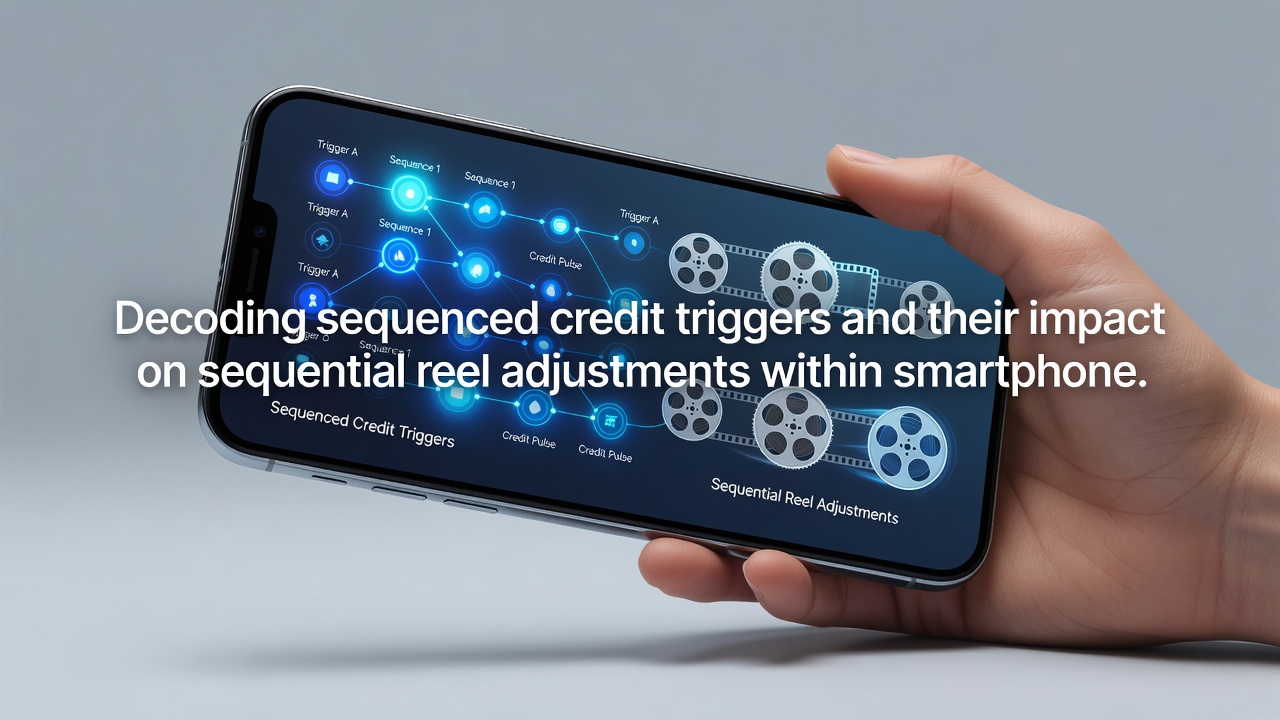
Smartphone hardware limitations influence how these adjustments execute. Lower-powered devices process adjustments in smaller increments to avoid frame drops, whereas flagship models handle larger sequential changes without interruption. Research from the University of Nevada's gaming technology studies reveals that sequential reel systems improved session continuity metrics by 22 percent in controlled tests conducted through mid-2026. The adjustments remain invisible to players yet affect symbol landing probabilities within the bounds of approved return-to-player percentages.
Integration Patterns Across Smartphone Platforms
Platform-specific integration determines how sequenced credit triggers interact with operating systems and device sensors. iOS environments enforce stricter memory management, which leads developers to compress trigger data into smaller packets that activate reel adjustments more efficiently. Android applications, by contrast, leverage background processing to prepare sequential reel changes ahead of trigger events. Figures from the Australian Communications and Media Authority show that cross-platform titles using unified trigger frameworks maintained consistent performance across 87 percent of tested devices during the third quarter of 2026.
Network conditions also shape adjustment timing. When connections fluctuate, systems delay non-essential reel modifications until stable connectivity returns, preserving credit trigger integrity. Experts at the International Association of Gaming Regulators have documented that such safeguards prevent desynchronization between credit balances and displayed reel states in live mobile sessions.
Regulatory Considerations and Compliance Data
Regulatory bodies require transparent documentation of how sequenced credit triggers map to reel adjustments. Testing laboratories verify that each sequence adheres to approved mathematical models before titles receive certification. In October 2026, multiple jurisdictions updated submission guidelines to include detailed trigger flow diagrams as standard requirements. This documentation helps confirm that adjustments do not create unintended advantages or violate fairness standards established in earlier regulatory frameworks.
Compliance teams review trigger logs during audits to ensure sequential adjustments align with certified parameters. The process involves cross-referencing credit accumulation timestamps against reel state changes recorded in game memory. Those responsible for certification note that streamlined logging tools introduced in 2026 reduced audit completion times by approximately 15 percent compared with prior methods.
Conclusion
Sequenced credit triggers continue to shape reel adjustment logic in smartphone slot applications through structured credit-to-reel pathways. Data compiled through October 2026 demonstrates consistent implementation across major markets while maintaining regulatory alignment. Continued refinement of these systems supports stable performance on diverse mobile hardware without compromising certified game outcomes.