Slot Machine Networks Reveal Adaptive Bonus Trends Through Aggregated Player Data Analysis
Written by Uma Jenkins · Oct 25, 2026

Slot Machine Networks Reveal Adaptive Bonus Trends Through Aggregated Player Data Analysis
Operators across major gaming jurisdictions have expanded their use of interconnected slot systems that collect and process player activity at scale, and these networks now surface patterns in bonus distribution that shift based on collective behavior data. In October 2026, several multi-state platforms reported measurable changes in how frequently certain multiplier features activated after algorithms adjusted thresholds using the previous quarter's aggregated metrics.How Aggregated Data Drives Bonus Adjustments
Central servers pull information from thousands of terminals each hour, tracking metrics such as spin velocity, average wager size, and the timing of feature triggers across different game titles, while analysts compare these figures against historical baselines to identify when bonus cycles need recalibration. The process relies on anonymized data pools rather than individual profiles, which allows operators to modify payout tables or trigger probabilities without direct player identification.
Networks apply these insights through rule-based engines that raise or lower the appearance rate of free-spin rounds or stacked wilds when overall participation in a particular game segment rises or falls, and this approach keeps the bonus economy aligned with current demand signals. One operator group in the Midwest documented a 12 percent increase in feature engagement after the system lowered the required spin count for a progressive side bet following three consecutive weeks of declining activity.
Regional Patterns Emerging in 2026
Data compiled from venues in Nevada and New Jersey shows that bonus frequency tends to increase during evening peak hours on weekdays when player volume drops below established thresholds, whereas weekend patterns favor extended bonus rounds to sustain longer sessions. Australian operators using similar network architectures reported parallel shifts in October 2026, with adaptive systems extending retrigger windows on popular titles during slower afternoon periods.
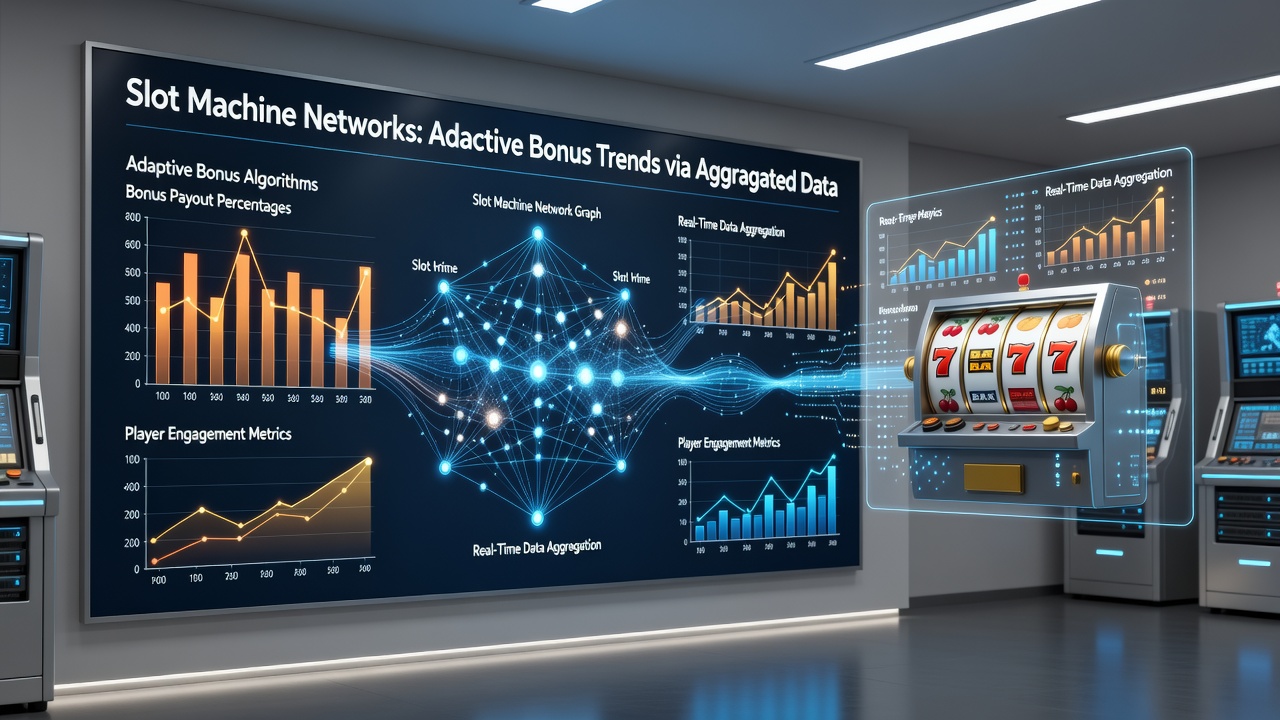
These adjustments occur within regulatory limits set by each jurisdiction, and oversight bodies require operators to maintain transparent logs of every parameter change. The Nevada Gaming Control Board maintains public summaries of network modifications, which researchers cross-reference with revenue reports to assess whether adaptive mechanics influence overall hold percentages over time.
Technical Infrastructure Behind the Trends
Modern slot networks operate through centralized platforms that standardize data formats across manufacturers, allowing a single analytics layer to evaluate performance regardless of cabinet type or game theme. Engineers integrate machine-learning models that detect subtle correlations between bonus types and session length, then feed those correlations back into the bonus engines as updated weighting values.
One large network provider implemented a feedback loop that recalibrates every 48 hours using the most recent 30-day data window, which reduced variance in bonus hit rates across linked properties by nearly 8 percent according to internal metrics shared with state regulators. The same system flags when certain games begin to deviate from expected bonus curves, prompting manual review before further automatic adjustments occur.
Player Behavior Signals and Network Response
Observers note that networks respond to aggregate signals such as rapid cash-out patterns or sudden drops in wager size by temporarily increasing the visibility of smaller bonus events, which in turn can stabilize session continuation rates. This response mechanism operates without targeting specific accounts and instead applies uniformly across all terminals in the affected segment.
Research from the University of Nevada, Reno examined anonymized datasets from three major networks and found that adaptive bonus systems produced more consistent feature distribution across low-, mid-, and high-denomination machines compared with static configurations. The study also documented that these adjustments occurred most frequently during shoulder seasons when overall visitation fluctuated.
Regulatory and Compliance Considerations
State gaming commissions require detailed documentation of every algorithmic change, and operators submit monthly summaries that detail the number and nature of bonus parameter updates. In October 2026, regulators in Pennsylvania began requesting supplemental reports that break down how aggregated data influenced bonus availability across different player volume tiers.
Industry associations such as the American Gaming Association have published guidance on best practices for maintaining audit trails when networks perform real-time recalibrations, and these documents emphasize the importance of separating operational analytics from any marketing or loyalty functions that might use player-specific information.
Conclusion
Slot machine networks continue to refine their use of aggregated player data to modulate bonus trends, with adjustments driven by volume metrics, time-of-day patterns, and cross-property comparisons. The infrastructure supporting these changes remains subject to regulatory oversight that demands transparency and documentation, while research institutions track the measurable effects on feature distribution and session metrics. As networks expand across additional jurisdictions, the methods for analyzing and responding to collective behavior data will likely evolve in parallel with technological and compliance requirements.