The Interplay of Tiered Incentives and Decision Pathways in Smartphone Reel Ecosystems
Written by Uma Jenkins · Nov 8, 2026

The Interplay of Tiered Incentives and Decision Pathways in Smartphone Reel Ecosystems
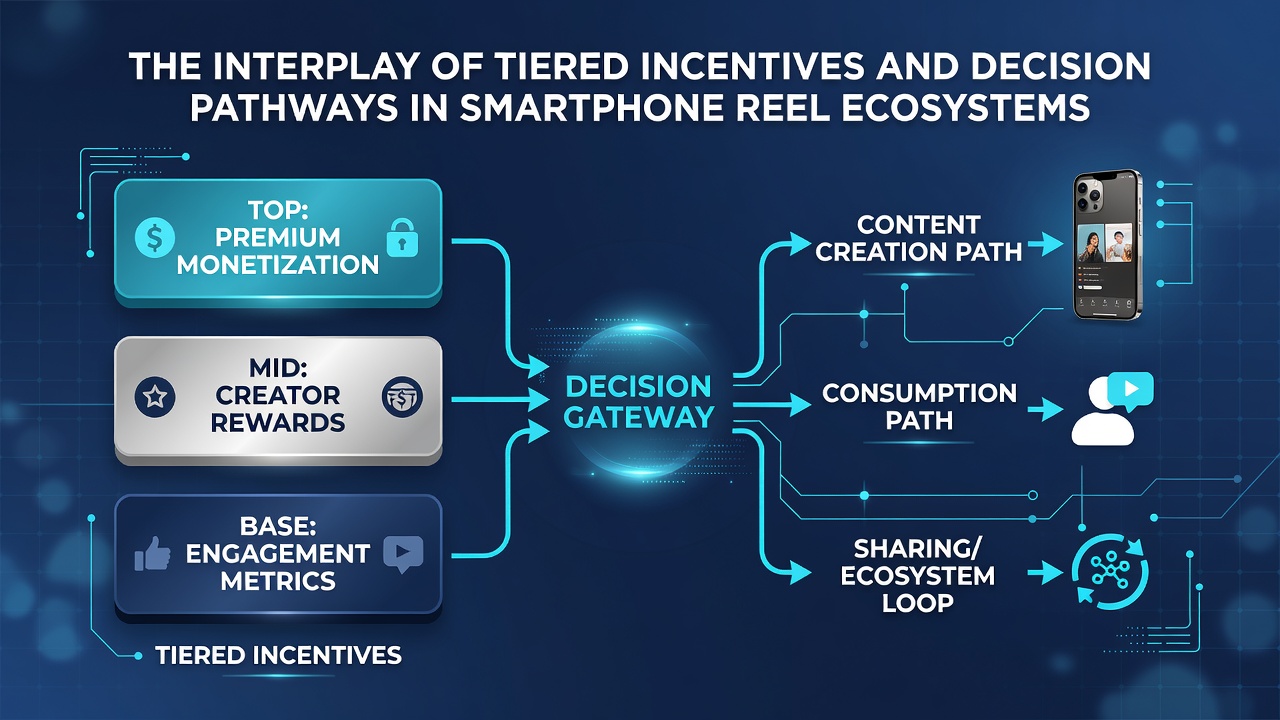
Smartphone reel ecosystems rely on layered reward structures that shape how users navigate game options, bonus triggers, and session lengths, according to industry reports on mobile engagement patterns. Data from mobile analytics platforms shows these systems assign users to progressive tiers based on activity volume, with each level unlocking distinct multipliers, access privileges, and redemption rates that directly influence subsequent choices inside the application.
Tier Structures and Their Core Components
Most platforms organize incentives across four or five ascending tiers, where entry-level participants receive standard spin returns while higher placements gain accelerated point accumulation and exclusive reel configurations. Research indicates the transition thresholds typically require cumulative spins or deposit totals that reset on monthly cycles, creating recurring decision points for users who track their progress through in-app dashboards. Observers note that these mechanics connect directly to session planning, since reaching the next tier often unlocks features unavailable at lower ranks.
Figures from November 2026 reveal increased tier migration rates during promotional windows, when platforms introduce limited-time multipliers that compress the points needed for advancement. Those who've studied user flow data find that participants frequently adjust their gameplay tempo to hit these windows, selecting specific reel titles that award bonus points toward tier goals rather than standard payouts alone.
Decision Pathways Shaped by Reward Layers
Decision trees in these ecosystems branch at multiple junctures, beginning with initial game selection and extending through bonus round participation and cash-out timing. Each tier alters the value calculation at these branches because higher-status users receive preferential odds or reduced wagering requirements on the same reel titles. Studies from academic gaming labs demonstrate that users map their intended path before starting sessions, factoring in current tier status alongside available incentives to determine optimal sequences of actions.
One documented pattern shows mid-tier participants prioritizing games with high point accrual rates to secure the next promotion, while top-tier users shift focus toward titles offering premium features unlocked only at their level. This shift occurs because the marginal benefit of additional points diminishes once maximum tier status is reached, prompting reallocation of attention toward entertainment or volume-based rewards instead.
Smartphone Interface Influences on Pathway Execution
Mobile interfaces present these choices through compact menus and push notifications that surface tier-specific opportunities in real time. Application developers integrate progress bars and countdown timers that highlight remaining requirements for tier upgrades, which in turn guides immediate decisions about continued play or temporary exit. Data collected across multiple platforms in late 2026 indicates notification response rates climb when messages reference personalized tier progress rather than generic offers.
Cross-device synchronization further complicates pathways because users who begin sessions on one phone and resume on another encounter consistent tier data yet variable interface layouts that affect speed of decision execution. Research from technology institutes highlights that seamless data transfer reduces friction in maintaining chosen pathways, whereas inconsistent displays can prompt users to abandon planned sequences mid-session.
Integration With Broader Platform Mechanics
Tiered systems intersect with daily login streaks, referral programs, and limited-event reels, creating compound decision environments where users weigh multiple incentive streams simultaneously. According to reports issued by the Australian Interactive Games Association, participants often construct mental matrices that rank options by combined tier advancement speed and immediate return potential. This calculation process repeats at the start of each session and whenever new promotional content appears within the app.
External factors such as regional regulatory updates also feed into these pathways, since certain jurisdictions impose restrictions on how quickly tier benefits can convert to playable credits. Observers tracking compliance changes note that platforms adjust their incentive display logic in response, which then alters the visible decision branches available to users in affected markets.
Conclusion
The relationship between tiered incentives and decision pathways in smartphone reel ecosystems operates through continuous feedback loops where status level modifies available options and user choices determine future status. Platform operators refine these structures based on aggregated flow data, while users adapt strategies to maximize outcomes within the constraints presented. Continued examination of these dynamics provides clearer insight into engagement patterns across mobile reel environments as of November 2026 and beyond.